Direct Rail Connection from Tehran to China and Russia via APRIN Dry Port
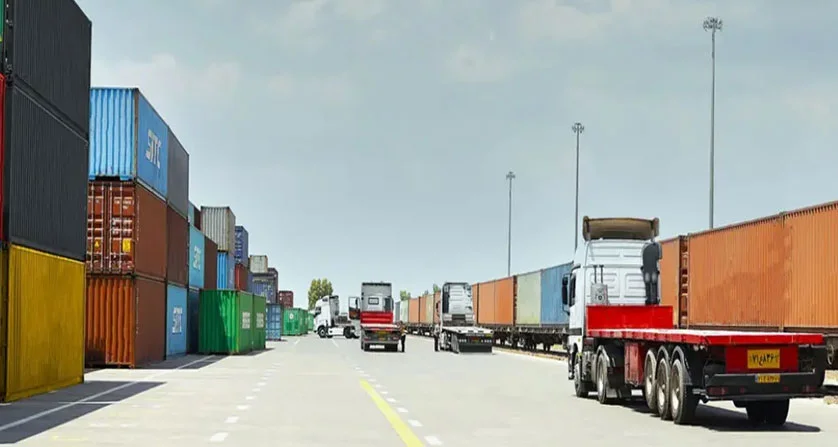
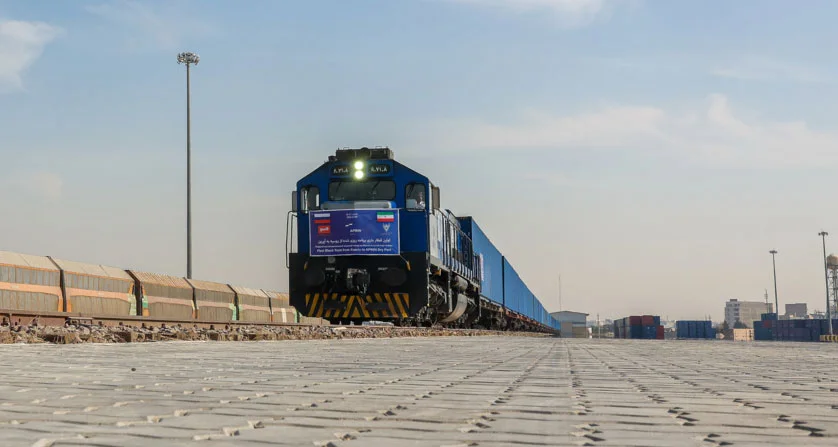
With APRIN Dry Port now officially operational, Tehran has effectively gained direct rail access for imports from China and Russia. The Deputy Governor of Tehran for Economic Affairs Coordination has described the project as a key initiative for reducing intermediary handling, lowering road transport costs, and strengthening the supply chain for essential goods and production inputs serving the capital.
Tehran’s Three-Pronged Strategy for Logistics Development
According to Tin News Logistics and Transit Service, Tehran Province has launched three infrastructure initiatives aimed at supporting a more stable supply of goods, leveraging the capital’s strategic position within the national economy. The first step was securing approval for Tehran to access the import quota mechanism available to border provinces, with government support. This allows traders to import essential goods under the relevant border quota without going through lengthy order-registration procedures.
Alongside this initiative, the use of airport capacity for the import of ten categories of essential goods, together with tariff exemptions available within the Imam Khomeini Airport City Free Zone, is intended to strengthen supply chain capacity across Tehran Province. Given that more than 50% of the country’s commercial cards are registered in Tehran, these measures may also contribute to improving the supply of goods to other provinces.
APRIN Dry Port: Reducing Dependence on Long-Distance Road Transport
A central part of this logistics strategy is the activation of APRIN Dry Port in Islamshahr. The project is intended to provide a rail-based alternative within a freight system that has traditionally relied heavily on road transport.
Heshmatollah Asgari, Deputy Governor of Tehran for Economic Affairs Coordination, highlighted the disadvantages associated with road transport, including higher costs and constraints on road routes. He noted that the activation of APRIN Dry Port has created the conditions for through transport of cargo.
Under this model, imported goods originating from markets such as Russia, China, and Caspian Sea countries can move directly by rail to Islamshahr without requiring intermediate unloading and reloading at customs facilities along the route. By reducing intermediate handling, this logistics model can shorten the time required for goods to reach consumers and industrial facilities while also reducing road transport and handling costs that would otherwise contribute to the final landed cost of the goods.
Beyond Imports: New Opportunities for Export Logistics
The role of APRIN is not limited to facilitating imports. Asgari also highlighted the two-way logistics potential of APRIN Dry Port and its role in supporting non-oil exports.
Given capacity constraints and congestion at some of the country’s southern ports, rail-based logistics through APRIN can provide exporters with an additional route for commodities such as bitumen and petroleum products destined for markets around the Persian Gulf and the Caspian Sea. This can provide Tehran-based exporters with greater route flexibility and additional access to regional markets.
The operationalization of APRIN Dry Port therefore represents an important step toward strengthening Tehran Province’s logistics and distribution infrastructure. By providing a more integrated and rail-connected route for the movement of goods, APRIN can support more reliable supply chains, improve access to domestic and international markets, and strengthen the competitiveness of Tehran’s logistics network.
Source: Tin News
Your email address will not be published. Required fields are marked *