What Is the Difference Between Demurrage and Detention?
In ocean freight, the cost of transporting cargo extends beyond ocean freight charges, port handling fees, and customs clearance costs. Delays in collecting a container from the port or returning it to the shipping line can result in significant additional charges. Two of the most common are demurrage and detention, which may be calculated separately or combined under container shipping agreements.
The main difference between demurrage and detention lies in where the container is held and the stage of the transport process at which its permitted free time expires. Under the conventional approach to container shipping, demurrage applies when a container remains at the port or terminal beyond its free time. Detention, by contrast, applies when a container is kept outside the port or terminal for longer than the permitted period.
Understanding these charges is essential for importers, exporters, freight forwarders, and cargo owners. Effective planning of customs clearance, inland transport, cargo unloading, and container returns can help prevent unnecessary increases in logistics costs.
What Is Demurrage?
In container shipping, demurrage is a charge typically levied by the shipping line when one of its containers remains at a port, terminal, or designated storage area beyond the agreed free time.
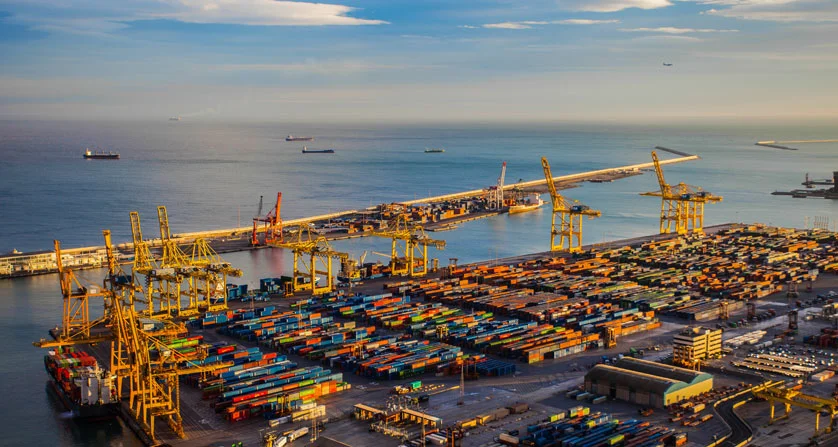
When a container vessel arrives at the destination port, import containers are discharged and placed in the terminal yard. Under its tariff or the contract of carriage, the shipping line allows a specified period for completing the necessary formalities and collecting the container. If the container has not left the terminal by the end of that period, demurrage charges may apply.
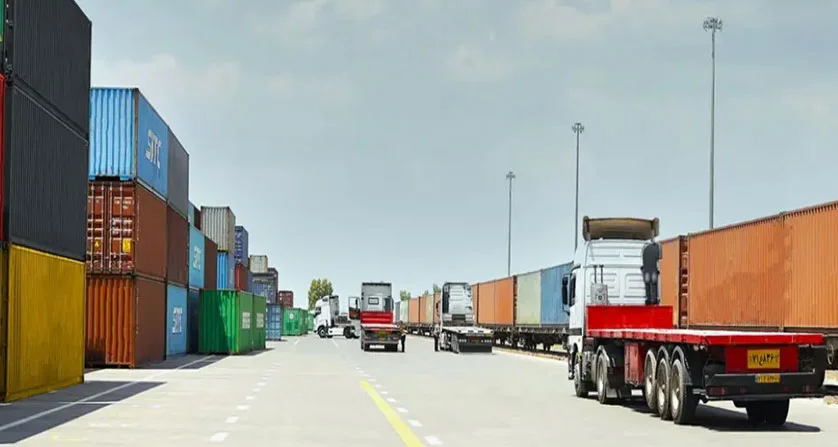
For example, consider an import container discharged at Shahid Rajaee Port in Bandar Abbas. The importer must complete the documentation, fulfil the customs formalities, and arrange a suitable truck or rail wagon to collect the container. If these steps take longer than the free time specified in the shipping line's tariff, demurrage charges will be calculated.
The purpose of this charge is to limit container dwell time at terminals and make the equipment available for reuse.
When Does Demurrage Start?
For imports, the demurrage calculation period generally begins when the container is discharged from the vessel at the destination port and ends when the container leaves the terminal.
However, the start date for calculating free time and the precise end of the free-time period must be checked against the shipping line's tariff. Some agreements count from the day the container is discharged, while others count from the following day or another specified event. Consequently, the vessel's arrival date, container discharge date, and last free day for container collection are not necessarily the same.
What Is Detention?
Detention is a charge incurred when a shipping line-owned container is retained outside the port, terminal, or designated depot beyond the permitted free-time period.
For import shipments, once the container has left the port, the cargo owner typically moves it by truck or rail to a warehouse, factory, or distribution centre. After the cargo is unloaded, the container must be returned to an authorised location in accordance with the shipping line's instructions. If the period between terminal exit and the return of the empty container exceeds the permitted time, detention charges may apply.
For example, an importer moves a 40-foot container from Bandar Abbas to a factory in Tehran. Delays in unloading the cargo, preparing the container for return, or returning it to a depot approved by the shipping line may result in detention charges.
Importantly, detention is not necessarily linked to how long the cargo is stored; it relates to the period for which the shipping line's container is in use. Even after the goods have been unloaded, the detention period may continue until the empty container is returned in accordance with the contract.
When Does Detention Start?
For imports, the detention period generally starts when the loaded container leaves the terminal and ends when the empty container is returned to an authorised location. The shipping line may allow a number of free days for this period. Once that allowance expires, additional charges are calculated according to the applicable tariff. The loaded container gate-out date and the empty container gate-in date at the depot are therefore two key milestones in managing detention costs.
What Is the Main Difference Between Demurrage and Detention?
Although demurrage and detention both relate to keeping a container beyond the permitted period, the distinction is clear in import operations:
Demurrage arises when the container is still inside the port or terminal and its free time has expired. Detention, on the other hand, relates to the period after the container has left the terminal but has not been returned to the shipping line or another authorised location within the permitted time. This distinction matters operationally because the causes of each charge are often different.
Demurrage may result from delays in obtaining documents, customs clearance issues, failure to secure an exit permit, or insufficient transport capacity. Detention is more commonly associated with delays in inland transport, cargo unloading, empty container returns, or arrangements with the destination depot.
Demurrage and Detention for Imports and Exports
These charges are not limited to import containers. During the export process, charges may also arise when containers are retained inside or outside the terminal beyond the permitted period.
Demurrage and Detention for Imports
For an import shipment, the usual process involves discharging a loaded container from the vessel, completing the necessary formalities, and moving it out of the port to its final destination. If the container remains at the port beyond the permitted free time, demurrage applies. Once the container leaves the port, the detention period begins and continues until the empty container is returned to the authorised location.
Demurrage and Detention for Exports
The sequence is different for exports. An exporter typically collects an empty container from a designated depot, takes it to a factory or warehouse for loading, and then delivers the loaded container to the port terminal. In this case, export detention may relate to the period between collecting the empty container and the loaded container entering the terminal.
After the loaded container enters the terminal, export demurrage may arise if it remains there beyond the free-time allowance before loading onto the vessel. Exporters must therefore coordinate empty container collection, cargo preparation, loading, delivery to the port, and the vessel schedule.
What Is Free Time in Container Shipping?
Free time, or the free-time allowance, is the period during which the shipping line permits the use of a container under the agreed contract or tariff without the applicable demurrage or detention charges.
For example, an import shipment may have one free-time allowance for keeping the container at the port and another for using it outside the port. Some agreements provide a single combined allowance instead of two separate periods. It is important to note that free-time allowances are not the same for every shipment. They depend on factors such as the shipping line, the ports of origin and destination, the container type and size, the trade route, and the contract terms.
Are Weekends and Public Holidays Included in Free Time?
This depends on the day-counting method specified in the tariff. Where the allowance is calculated in calendar days, weekends and public holidays may be included. Where the tariff specifies working days, non-working days are excluded in accordance with the definition in that tariff.
What Is Combined Demurrage and Detention?
Under some ocean freight agreements, shipping lines apply combined demurrage and detention (Combined D&D or Merged D&D) rather than setting two separate allowances. This approach generally provides one shared period for container use. For imports, that period may begin when the container is discharged from the vessel and continue until the empty container is returned to an authorised location.
Under such an agreement, removing the container from the port does not necessarily stop the clock, because the combined free-time allowance covers both the time spent at the terminal and the time the container is used outside it.
For example, if a shipping line grants a container 10 days of combined free time, the cargo owner must manage port collection, inland transport, cargo unloading, and container return within that period, based on the contract's specified dates.
If the combined period of container use exceeds the permitted allowance, additional charges are calculated under the combined tariff. When obtaining an ocean freight quotation, it is therefore important to confirm whether the terms provide separate demurrage and detention free time or a combined free-time allowance.
What Is the Difference Between Demurrage and Terminal Storage Charges?
A common mistake when assessing ocean freight costs is to treat demurrage and terminal storage charges as the same cost. Both may be incurred at the same time, but they are not identical.
Under the conventional container shipping model, demurrage relates to using a shipping line-owned container beyond the permitted period while it remains inside the terminal. Storage charges, by contrast, relate to the use of port, container yard, or warehouse space to store cargo or equipment. Storage charges are generally assessed under the port or terminal operator's tariff, whereas demurrage is governed by the shipping line's terms or the contract of carriage.
At some ports or under certain agreements, storage charges may be included in demurrage, or the shipping line may collect them on behalf of the terminal. In other cases, the two charges are invoiced separately.
Importers should therefore establish which services are covered by the amounts quoted by the shipping line, its agent, and the terminal operator, and whether charges are billed separately or combined.
How Are Demurrage and Detention Charges Calculated?
Demurrage and detention charges are generally calculated according to the number of chargeable days, the container type, and the daily rate specified in the shipping line's tariff.
In the simplest case, the calculations are as follows:
Demurrage charge = Days exceeding free time × Daily demurrage rate
Detention charge = Days exceeding free time × Daily detention rate
However, under many container shipping tariffs, daily rates are not fixed and increase with the length of the delay.
Consider an import container with the following terms:
- Demurrage free time: 5 days
- Time spent at the terminal: 8 days
- Illustrative demurrage rate: USD 40 per day
- Detention free time: 4 days
- Time spent outside the terminal: 6 days
- Illustrative detention rate: USD 25 per day
In this example, the container incurs 3 chargeable demurrage days and 2 chargeable detention days. Demurrage amounts to USD 120 and detention to USD 50, bringing the combined charge for the container to USD 170.
What Factors Affect Demurrage and Detention Costs?
Demurrage and detention charges are not the same for every container. The main factors affecting these costs include container type and size, shipping line, destination port, free-time allowance, number of days of delay, and tariff structure.
For example, the applicable rate for a standard 20-foot container may differ from that for a 40-foot container, refrigerated container, or equipment designed to carry heavy cargo. For refrigerated shipments, power supply, temperature monitoring, and specialist terminal services may also be charged separately from demurrage and detention. Contract terms matter as well: depending on shipment volumes or commercial agreements with the shipping line, some customers receive longer free-time allowances or different tariff conditions.
As a result, a lower ocean freight rate does not necessarily mean a lower overall cost. When comparing freight quotations, it is also important to examine the free-time allowance and charges for additional days.
What Causes Demurrage and Detention Charges?
- Delays in completing documentation and customs formalities
- Operational disruptions at the port
- Delays in arranging a truck or rail wagon
- Delays in unloading cargo at destination
- Delays in returning the empty container
Who Is Responsible for Paying Demurrage and Detention?
Responsibility for demurrage and detention charges depends on the terms of the contract of carriage, the bill of lading, the shipping line's tariff, and the commercial arrangements between the parties.
For imports, the party responsible for these charges is typically the consignee or the party contractually responsible for collecting the container and completing destination formalities. For exports, the shipper may be liable for charges arising from delays in delivering the loaded container to the terminal or before the container is loaded onto the vessel.
For example, in international sales contracts, the Incoterms rules can help allocate responsibilities between seller and buyer. However, contractual liability to the shipping line does not necessarily match the allocation of costs between buyer and seller. Sales and transport contracts should therefore clarify how charges resulting from customs clearance delays, cargo delivery, container unloading, and equipment returns are allocated between the parties.
The Role of Freight Forwarders in Managing Demurrage and Detention Costs
An important function of an international freight forwarding company is to coordinate the different stages of the transport chain and minimise operational delays. A freight forwarder can help cargo owners manage additional charges by reviewing the contract of carriage, monitoring vessel arrival times, coordinating documentation and customs procedures, planning inland transport, and tracking container return deadlines.
For shipments moving from Iran's southern ports to industrial and commercial centres across the country, this coordination is particularly important. Port operations, customs procedures, rail or road transport, and final delivery must be planned as an integrated process.
PTB Group provides international freight forwarding, terminal operations, customs services, rail freight transport, road freight transport, and multimodal transport solutions, enabling coordination across the various stages of cargo transportation.
Reviewing operational schedules and container usage terms alongside the choice of transport mode helps importers and exporters reduce avoidable costs and manage their supply chains more effectively.
Conclusion
Demurrage and detention are among the most significant additional charges in container shipping. Failure to meet the specified deadlines can increase the overall cost of imports and exports.
The main distinction is that demurrage generally relates to the time a container remains at the port or terminal, while detention relates to the period a container is used outside the terminal. Under agreements with a combined free-time allowance, however, both stages may be covered by a single charging arrangement.
To control these costs, free-time terms should be reviewed before shipment, customs documentation prepared in good time, inland transport and cargo unloading planned in advance, and the empty container returned to the designated location within the permitted period.
Ultimately, effective demurrage and detention management is part of controlling total logistics costs and requires ongoing coordination between the cargo owner, shipping line, international freight forwarder, customs authorities, and terminal operator.
Your email address will not be published. Required fields are marked *